What does this mean, and what might it help us understand?
I spent a late November morning at Taipei Zoo with no plan and no hurry. Somewhere along the way I noticed that the animals were not in a hurry either.
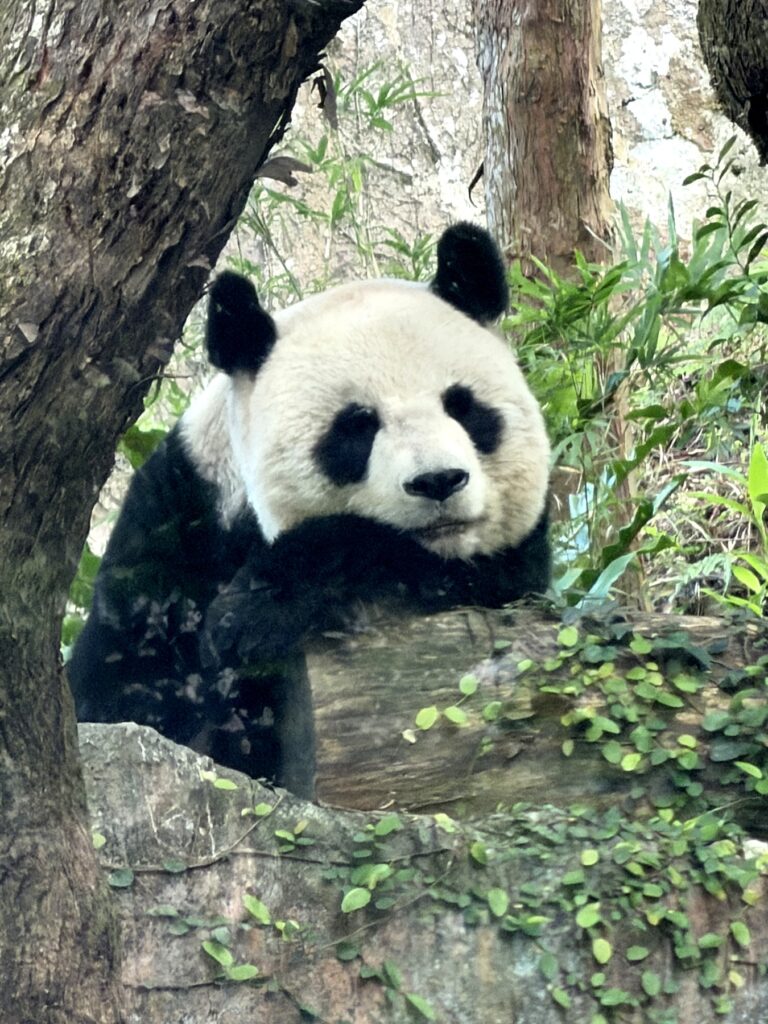
The giant panda lay stretched across a log. It was not sleeping and not quite awake. It was simply resting, as if resting were the most important thing in the world.
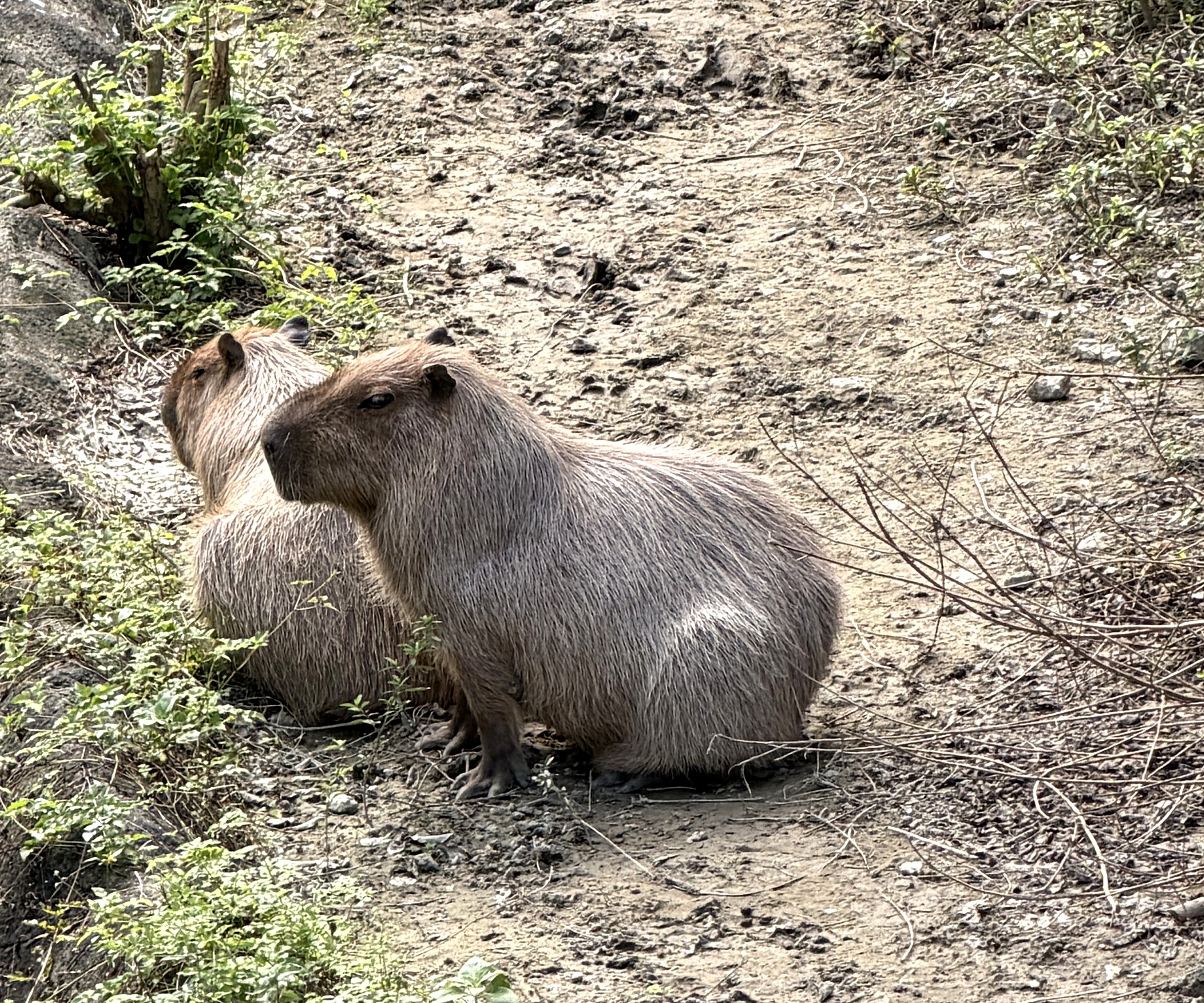
Down by the water two capybaras sat side by side. They did not move much. They did not need to. They looked completely content to be exactly where they were.
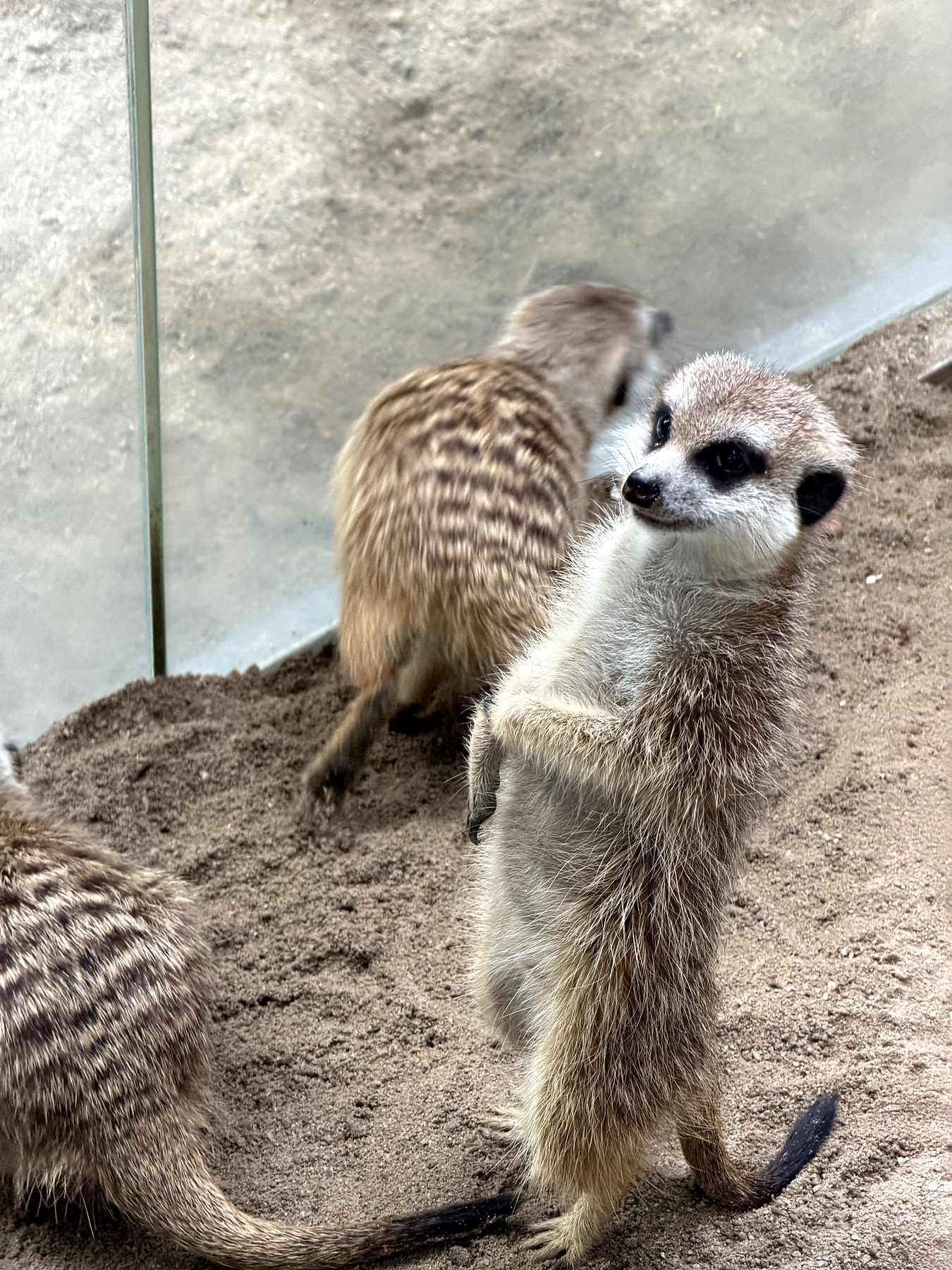
The meerkats were busier. One stood tall on its back legs and kept watch while the others dug in the sand. Even then there was a kind of calm to it. Each one had its job and did it well.
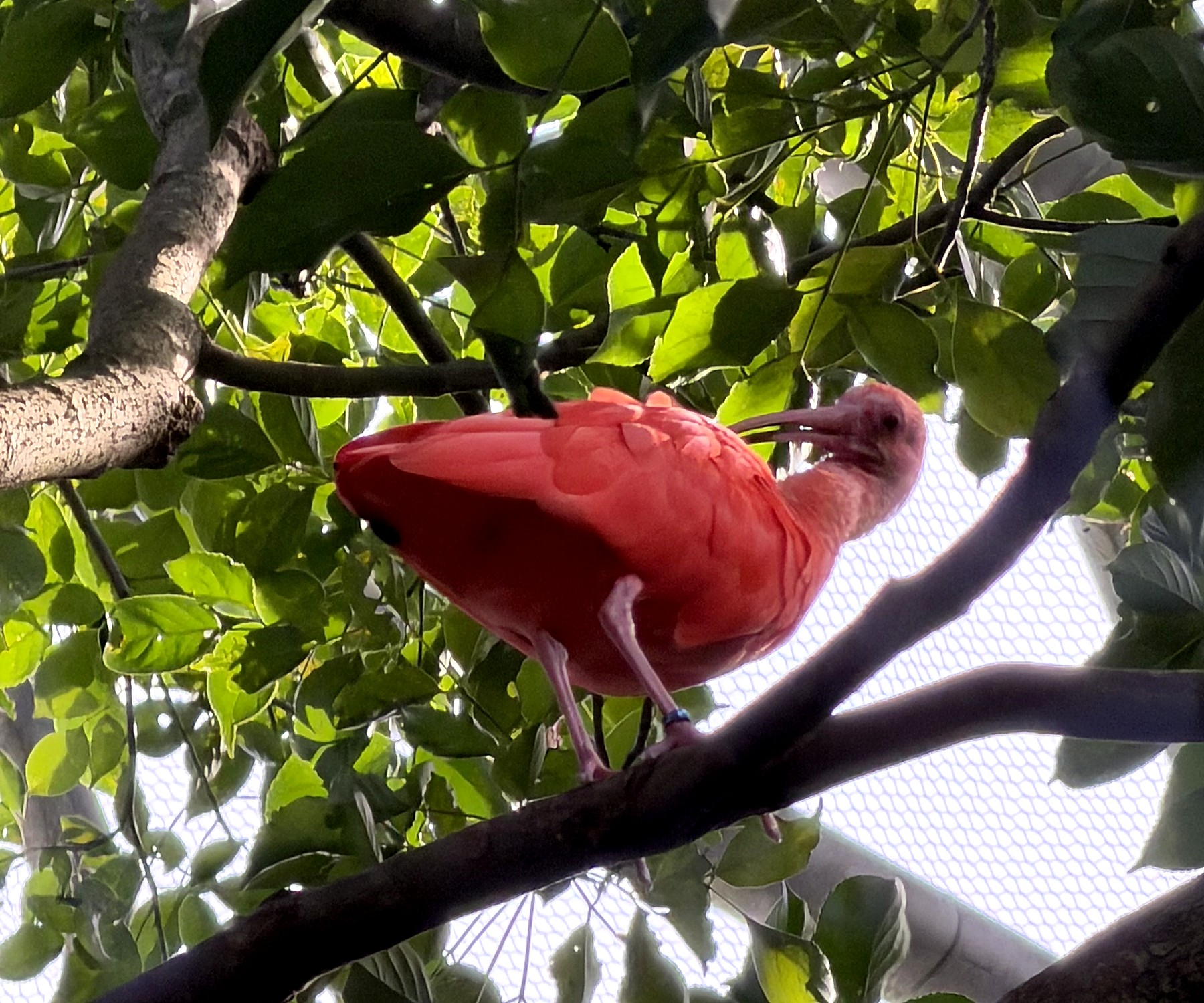
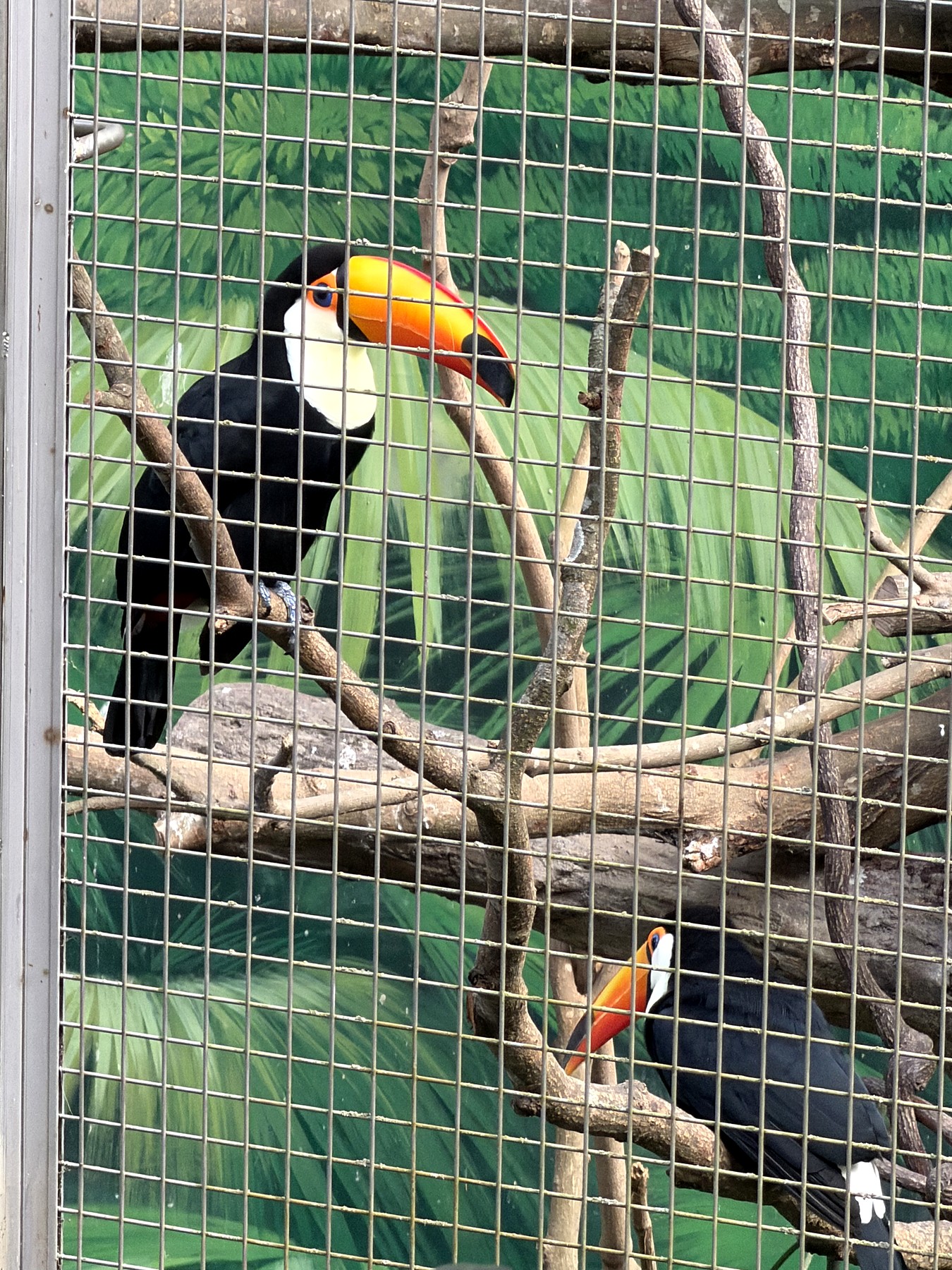
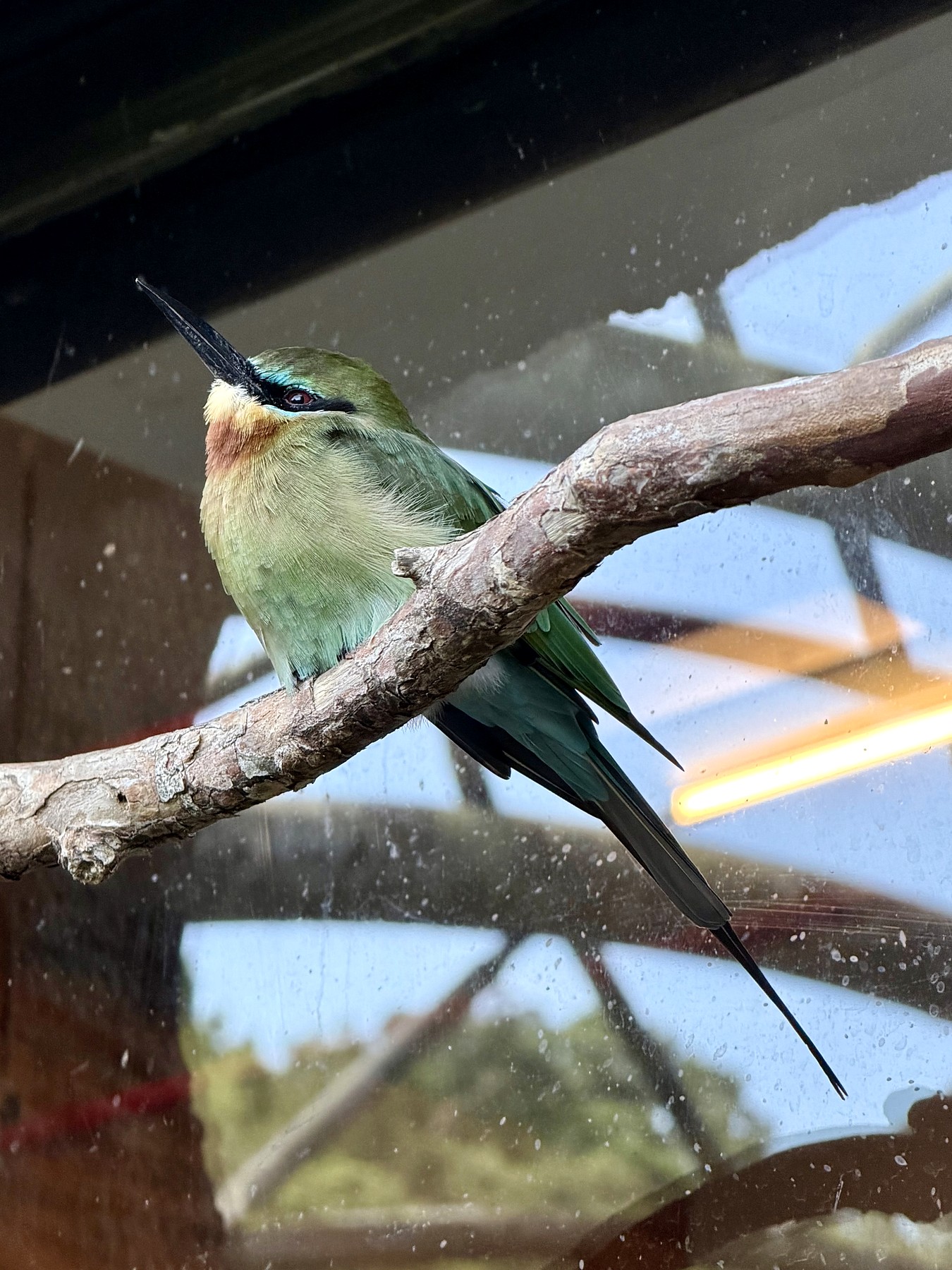
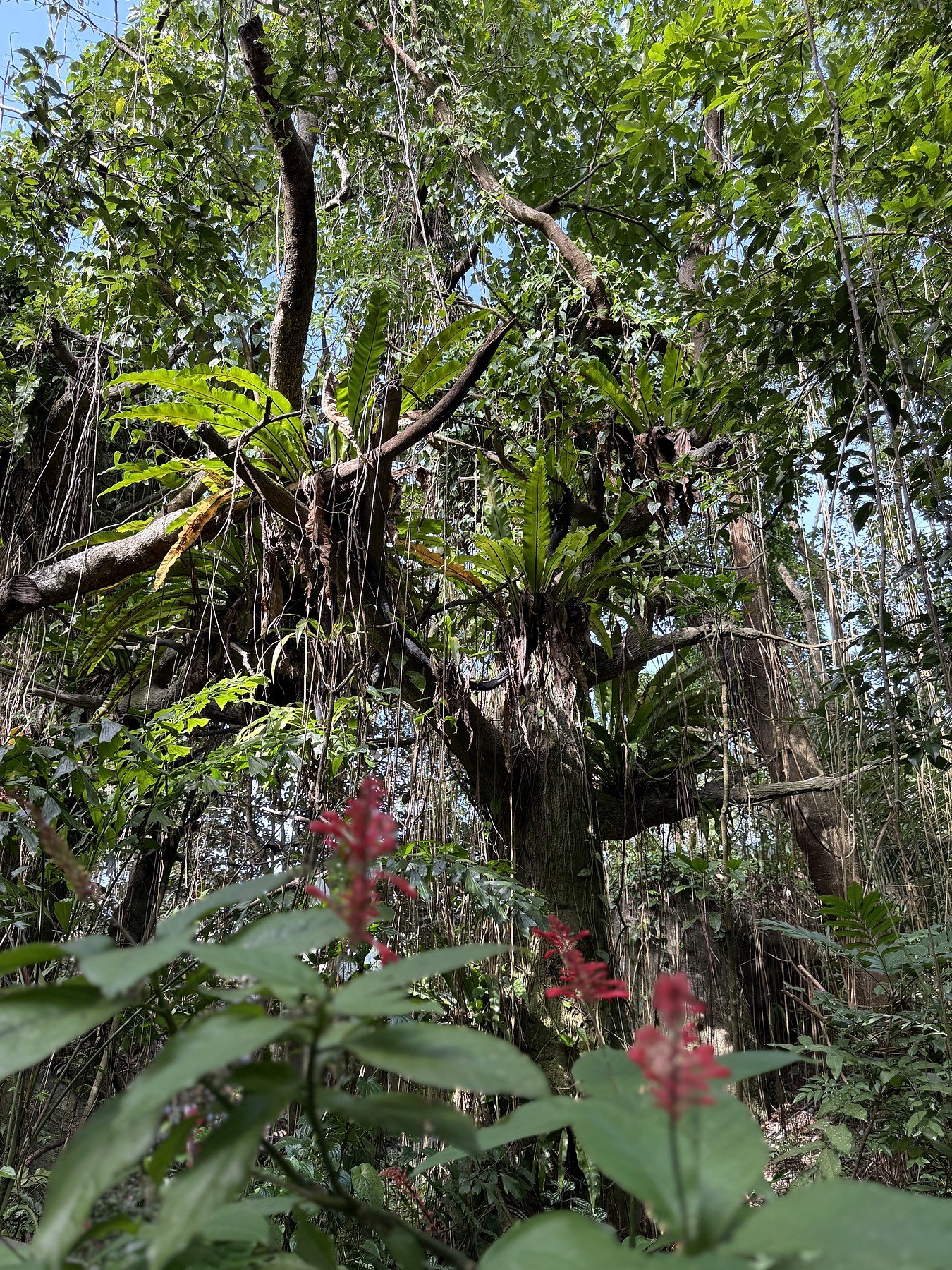
In the rainforest house the birds moved in short bursts and then went still again. A scarlet ibis. A pair of toucans. A small green bee-eater on a branch.
None of them checked the time. None of them seemed worried about what came next.
I walked out of the zoo a little slower than I walked in. I wondered when I last rested the way that panda did. Fully. Without guilt. I am not sure I remember.
Maybe that is the lesson. Not to stop working or stop caring. But to know that rest is part of the rhythm too. Even the busiest meerkat takes its turn to sit down.
Read next: The Espresso Break and The Alpaca Who Smiled Back.
A more mindful way to explore life.