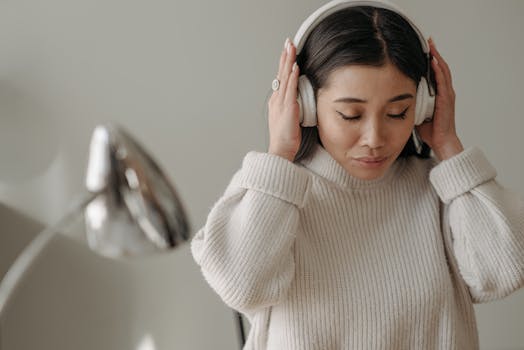
Audio wellness is a concept that sits at the intersection of sound quality and personal wellbeing. It goes beyond the pursuit of better gear and asks a more fundamental question — how does the way you listen affect how you feel?
Most audiophiles come to the hobby through equipment. They stay because of what great sound does to them emotionally and mentally. Audio wellness simply makes that connection explicit and intentional.
What Audio Wellness Actually Means
Audio wellness is the practice of using sound and listening habits deliberately to support mental clarity, emotional balance and physical relaxation. It draws on decades of research into how sound affects the nervous system, combined with the audiophile commitment to high quality audio reproduction.
It is not about therapy or pseudoscience. It is about recognising that sound is one of the most powerful tools available for shifting your mental state — and choosing to use it well.
Why Your Listening Habits Matter More Than Your Gear
The audiophile community spends enormous energy on equipment. Far less attention goes to how, when and why we listen. Yet listening habits have a greater impact on the quality of your audio experience than most hardware upgrades.
Listening to music with full attention — no screens, no multitasking, no background noise — produces a measurably different experience than passive background listening. The same recording through the same system sounds different when it has your complete focus. Audio wellness starts with that shift in attention.
The Science Behind Sound and Wellbeing
Research consistently shows that music and sound have direct physiological effects. Slow tempo music with a consistent rhythm reduces cortisol levels and lowers heart rate. Binaural beats and certain ambient frequencies support focus and deep work. Natural soundscapes promote relaxation and reduce anxiety.
These effects are not subtle. A well chosen listening session can shift your nervous system from a stressed, reactive state to a calm, focused one within minutes. Audio wellness is about understanding these mechanisms and using them intentionally.
Practical Audio Wellness Habits to Start Today
You do not need special equipment to begin practising audio wellness. You need intention and a few simple habits.
Dedicated listening sessions Set aside 20 to 30 minutes for focused listening with no other agenda. No phone, no screen, no background tasks. Just the music and your attention. This alone produces a noticeable shift in how music sounds and how you feel afterwards.
Match sound to your intended state Use energising music for morning routines and exercise. Use slow, harmonic music for winding down in the evening. Use ambient or instrumental music for focused work. Audio wellness is partly about becoming more deliberate in how you use sound throughout the day.
Protect your hearing No audio wellness practice is complete without hearing protection. Listening at moderate volumes — below 85 decibels — preserves the hearing that makes all of this possible. The audiophile pursuit of great sound is a long game. Protect your ability to hear it.
Explore beyond music Binaural recordings, nature soundscapes and guided meditation audio are all part of the audio wellness toolkit. Apps like Calm, Endel and Brain.fm are built specifically around the science of sound and mental state. They complement rather than replace great music listening.
Audio Wellness and the Mindful Audiophile
The mindful audiophile is not defined by the size of their gear collection. They are defined by the quality of their listening. Audio wellness is the framework that connects great sound to a genuinely better life — more focus, better sleep, lower stress and a deeper relationship with music.
The gear matters. The habits matter more.
Start with one dedicated listening session today. Notice what happens when music has your full attention. That is where audio wellness begins.